

Intimacy Is Without Interruption
Taking responsibility for our impact.

A theme has been reemerging these past few weeks. Disparagement. I also received some disparagement recently, and I have been working with how to receive it without disparaging back. It is very challenging. It is so fascinating to watch how quickly we give way to anger or reactivity, instead of taking refuge in our horror, settling heart and mind in our soft belly, and asking, ‘What else is true?’
For me, the most important part is the willingness to be uncomfortable, to not know what to say or what to do, to allow the quiet until something becomes clear so that I can meet each person and myself with dignity.
It does not mean their actions are right. It doesn’t mean my actions are right. And all beings have Buddha nature. Each and everyone of us has the capacity to wake up.
And so I ask us: ‘How do we become good spiritual friends to someone we may think of as an enemy, an antagonist, or simply someone we do not like?’ How does what I like or dislike become so important that I would disrupt the harmony of sangha? This feels like urgent practice to me.
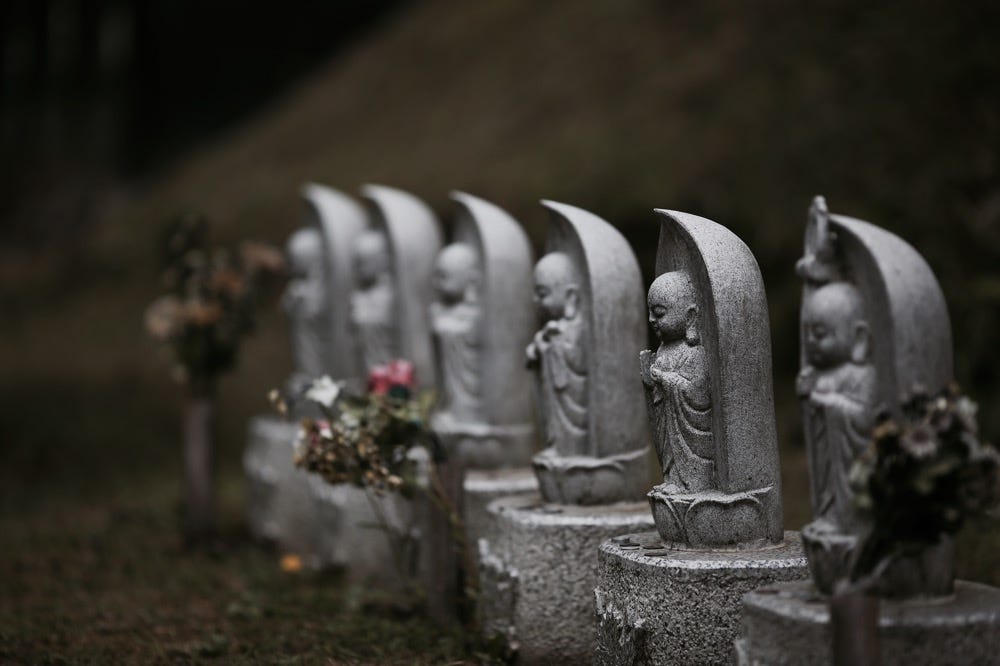
In our study of Dogen Zenji, we have been reading this beautiful passage about mitsugo, sometimes translated as ‘secret words,’ and sometimes translated as ‘intimate words.’ Dogen writes, “Secret means the principle of intimacy. It is without interruption.”
We might also say, ‘Intimacy means the principle of intimacy. It is without interruption.’ It covers the Buddhas and ancestors. It covers you. It covers me. It covers practice. It covers the generations. It covers our efforts. It covers intimacy itself.
And Dogen teaches, “The meeting of intimate words with an intimate person, even the Buddha eye cannot see it. Intimate practice is not something known by self or other.”
That line has really stayed with me because, in the face of disparagement, it is so tempting to think, ‘I know. I know what happened. I know who is wrong. I know the story.’ Talk about not intimate.
Being with discomfort is a place of practice.
I have been reflecting on these questions: How do we become intimate with our discomfort? How do we take refuge in our horror so that we do not get caught by every thought and feeling? How can we just do the next thing? How can we do the next thing with everything we are experiencing, without turning one difficult experience into a whole story of self and other?
Judo, Dogen’s Dharma grandfather, said, “The World-Honored One has intimate words for Kashapa. They are not concealed throughout the night. A rain of falling blossoms in the whole city. The streams are fragrant.”
This refers to that beautiful moment on Vulture Peak when thousands gathered to hear the Buddha speak, and instead he simply twirled a flower. Mahakashyapa smiled. That smile was thought to be the first transmission.
“A rain of falling blossoms in the whole city. The streams are fragrant.”
I love this image because it asks something of us. How do we allow, in the whole city of reality, the streams of thoughts and feelings and opinions to be fragrant? Even disparagement can become part of the fragrance. How do I stop fighting what is here? How do I stop separating the streams?
When we enter reality directly, even discomfort can become a place of tenderness.
Let’s practice together.
Practice does not mean denying our feelings. It can be feeling our feelings without becoming our feelings. It does not mean spiritually bypassing. It means meeting what is here directly and taking responsibility for our actions.
Pause. Find a comfortable place to sit. Feel your feet on the ground. Allow these questions in: How do we wrestle with our habitual mind and give way to what is intimate and already available right now, not when things get easier, not when school finishes, not when life changes, but now?
How do you enter life directly and see even disparagement as a treasure to open? How do you let your struggle become a place of intimacy instead of struggling on top of struggle?
Suzuki Roshi called that putting a head on top of a head. We drive ourselves crazy. But what if we simply take refuge in our horror, plant our staff, and make concentrated effort? What if we study intimacy, not as an idea, but as our actual life, not what we wish it was, but this life?
Let’s have a dialogue.
Consider a time you were disparaged or disparaged someone else, how did this feel inside yourself? How did this impact relationship? What supports your capacity to stay grounded and available within struggle and discomfort?
Please offer your experiences and insights in the comments below. Genuine sharing is a gift to us all.
May you meet your life intimately. May you discover that even what feels difficult can become a doorway to tenderness. May you trust that nothing is outside the stream of practice. May you enter this life, just as it is, with dignity, courage, and an open heart.
Koshin
P.S. Opportunities to learn and practice
“Transforming Our Disconnection, Anxiety, & Overwhelm” ~ Join Chodo Sensei and I on Thursday, May 28th for an evening exploring how Buddhist practice can help us meet fear, anxiety, and overwhelm with presence, clarity, and compassion.
Wholehearted Sesshin ~ This summer silent retreat runs from August 2nd - 9th at the Garrison Institute. Seven days of Noble Silence, sitting and walking meditation, dharma talks, and dokusan.
An Introduction to Zen Meditation ~ A 3+ hour video course on the fundamentals of practice: how to pause, see clearly, and complete each thing with your whole heart.
Untangled and Wholehearted ~ Books I’ve written reflecting on how the Four Noble Truths and Buddhist precepts inform our everyday lives and relationships.
Interestingly, I'm having difficulty coming up with a time I have disparaged or someone has disparaged me. I'm wondering if this, like childbirth, is so painful that I choose to not remember?
A very small example of disparaging is when my 21 year old son tells me something like "It doesn't work like that" and then goes on to tell me how I got it wrong, after I have explained something.
I recognize an impulsive self-righteous and defensive feeling arise, like a little heat in the chest. With practice I have learned to pause before responding. This is setting down the habitual mind. It is so powerful. Some inner dialogue and skillful views I access in this pause might be, as you say Koshin, What else is true? This is curiosity. This is non duality, both/and. Another inner voice might say, I never thought of it that way. This is letting down the defensive guard, allowing. Another inner voice might say, I feel like I'm being told I'm dumb and that doesn't feel good. This is sitting with discomfort. This is working with preferences.
All of this intimacy is only possible because of zazen. Without zazen I'm not sure I would recognize the need to pause. Or, I would recogzine the need a bit too late. In fact, both these things are true and I experience them all the time, even with the zazen practice. And they are teachers and doorways, too.
I think it will be very powerful for me to reflect on disparaging others. I will take some time to meditate on that. I believe that is much more painful than being disparaged. So embarrassing! And I'll definitely have an impulse to explain and excuse it, I predict.
Thank you for this opportunity to slow down and wake up together.
"taking refuge in our horror"? Maybe you dictated this and that's how it transcribed "hara"?